Man with Van Kensington

Man with Van Kensington provides a straightforward moving service for homes, flats and local businesses that need careful transport of furniture, boxes and mixed household items. We focus on practical removals work rather than one-size-fits-all promises, so the service can be shaped around the volume, access and handling needs of the job. Whether you are moving a few pieces or a fuller load, the aim is to keep the process organised, efficient and clear from the first enquiry.
Our work can suit short local journeys, collections from storage, or moves where items need to be loaded with attention to fragile finishes and awkward dimensions. If you want to compare options, the man with a van service page gives a useful starting point for understanding how the transport side of a move can be arranged. We also handle a broader range of household and commercial removals work, so the service can be adapted to the shape of the move rather than forcing everything into the same format.
For a quick next step, think about what needs moving, how many floors are involved and whether anything needs extra handling. You can then request a quotation with the details that matter most, and we can respond with a more relevant suggestion for the work involved. If you already know the move is larger, or you are comparing different types of removal support, clear information helps us recommend the right approach.
House and flat removals
House and flat removals are often more manageable when the transport side is matched to the layout of the property. A well-planned move can cover larger furniture, boxed contents, soft furnishings and household equipment without turning the day into a rush. Our house removals service is a natural fit for fuller domestic moves, while flat removals can be useful where stairs, narrow entrances or tighter loading space call for a more compact approach.
Not every move needs a full-scale removal team, and not every customer wants the same style of service. Some people only need transport for selected items, while others want a wider package that includes loading support and careful placement at the destination. The point of a man and van setup is that it can stay practical without becoming complicated. It can work for single-room moves, end-of-tenancy changes and households that are reducing the number of items they take with them.
When preparing for a domestic move, it helps to separate what is staying, what is going, and what may need special care. Labelled boxes, clear access and a simple note about heavy or fragile pieces can make the quote more accurate and the move itself more orderly. If you are comparing domestic options, home moves gives another route into the service where the emphasis is on moving household contents with the right level of support.
Careful item handling and specialist moves
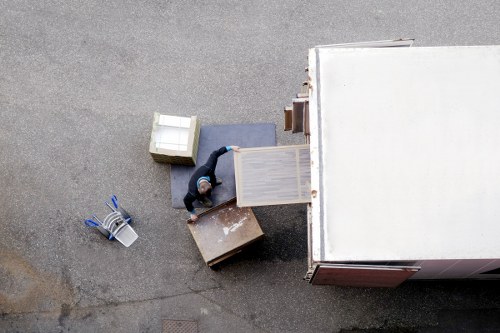
Some jobs are less about volume and more about handling. Furniture with delicate surfaces, heavy construction or awkward shapes needs care at both ends of the journey. The service can include lifting, loading and transport for items that need more than a simple carry. A furniture removals page is relevant where the main concern is moving individual pieces cleanly and safely, rather than clearing a whole property.
For customers moving a smaller set of items, a targeted approach can be more useful than a larger vehicle or a broad removal package. A single sofa, wardrobe, dining table or bed frame may be easier to manage when the route, access points and handling method are considered in advance. Where the task is only one piece, furniture pick-up can help describe the collection side of the work, especially when an item needs to be taken from a shop, seller or storage location.
Specialist items need an extra degree of caution. A move involving a piano, for example, should never be treated like a routine furniture lift. The piano removals page reflects this more specialised kind of work, where care, balance and the route through the property matter just as much as the journey itself. Weight, shape and access all affect how the move is planned, and it is better to identify those points early than to improvise on the day.
Commercial and office removals
Businesses often need removal support that is more orderly than a domestic move but still flexible enough to work around trading hours, equipment and building access. Our commercial moves page is a useful fit for moving stock, fixtures or general business contents, while office removals focuses on desks, chairs, filing, boxed documents and work area contents. The aim is to move items without losing track of what belongs where.
For larger workplace changes, the move may involve more than a van and a loading plan. Equipment, screens, storage units and archives often need separate handling so that they arrive in usable order. If you need a service built around workplace relocation, office relocation services can describe that broader process. It is often the right direction when the job includes dismantling, structured loading and careful placement in a new setting.
Commercial customers usually benefit from a simple schedule and a concise inventory. That can mean identifying priority items first, separating fragile or confidential materials, and noting any restrictions on building access or parking. Two useful points are often enough: what must move, and what must not be delayed. From there, the service can be shaped to reduce disruption and keep the transition practical rather than cumbersome.
Packing, boxes and preparation

Packing support can make a removal easier to manage, especially where the contents include breakables, mixed household items or awkwardly stacked possessions. Some customers want help with the packing stage, while others only need supply guidance or a straightforward transport arrangement. The packing and boxes page is relevant if you want to understand how boxed items can be organised before moving day.
Where more hands-on help is needed, packing and unpacking services can support a move that needs a fuller preparation stage and a calmer arrival at the other end. That can be useful for busy households, office contents or anyone who would rather reduce the strain of dealing with items immediately after transport. The practical benefit is not just speed; it is also a clearer way to protect contents and keep related items together.
To prepare well, it usually helps to keep the information simple and specific. A short list of item types, any particularly fragile possessions and the number of rooms or areas involved is often enough to start. If access is awkward, mention that too. Good preparation is less about perfection and more about giving a realistic picture of the move so the service can be matched sensibly to the work.
Timing, storage and flexible move planning
Some removals need flexibility because the property handover does not line up neatly, or because items need to be kept somewhere temporarily before delivery. In those cases, transport and storage can work together as part of one plan. The storage page is useful where belongings need a holding point between collection and final placement, rather than being moved directly in one step.
There are also occasions when a move has to be completed quickly or arranged with little lead time. That does not mean the job should be rushed; it means the sequence needs to be clear. The same-day removals page is relevant where timing is tight and the move has to be handled in a practical, responsive way. The service still depends on access, size and readiness, so a short description of the items is important.
If you are unsure how to combine collection, storage and delivery, it helps to identify the order of events before anything is loaded. Decide whether the move is direct, split into stages or affected by access times at either end. That gives a better basis for planning, and it can also prevent avoidable re-handling of furniture and boxes. A focused arrangement is usually easier to manage than a broad, undefined request.
About Kensington
Kensington is an inner area of west London best known for its layered mix of residential streets, institutions and cultural landmarks. It lies within the Royal Borough of Kensington and Chelsea and has long been associated with elegant garden squares, mansion blocks, terraces and major museums. The district grew from a village settlement into an important urban quarter during London’s expansion in the nineteenth century, especially after the arrival of the railway and the wider development of west London. Today, it includes several distinct areas such as Kensington High Street, South Kensington and the conservation-focused streets around Kensington Palace and Kensington Gardens. The gardens themselves form one of the area’s most recognisable open spaces, linking to Hyde Park and giving the district a broad green edge in the centre of the city. Kensington Palace, originally a Jacobean mansion adapted for royal use in the late seventeenth century, remains one of the best-known historic buildings in the area. South Kensington is also notable for its concentration of museums, including the Natural History Museum, the Victoria and Albert Museum and the Science Museum, which together shape much of the local cultural identity. The district’s built environment combines public institutions, diplomatic residences, period housing and commercial streets, while the Underground stations and main roads connect it closely with neighbouring parts of central and west London. That blend of heritage, gardens, museums and busy urban life gives Kensington a character that is both formal and lived-in, with a strong sense of historical continuity.
What this service can cover

Man with Van Kensington is not limited to one type of item or one kind of property. It can suit tenants moving between flats, households clearing selected rooms, and businesses transferring lighter loads or smaller inventories. The service can also be used for collections from storage or for situations where the journey is straightforward but the lifting still needs attention. If you want a simpler reference point, removal services gives a broader overview of the kinds of work that can sit under this type of transport support.
In many cases, the real difference is not just what moves, but how it is grouped. Some customers need a short local job with a few boxes and one or two pieces of furniture. Others need a more structured arrangement that deals with mixed contents and a narrow loading window. For those situations, removals is a useful general page when the task is best thought of as a complete move rather than a single-item collection.
There are also times when the vehicle choice matters as much as the manpower. A compact van can be well suited to lighter loads, while larger furniture or repeated trips may justify a different approach. The relevant decision is not about labels; it is about capacity, access and the route between collection and delivery. That is why we keep the service adaptable and centred on the job in front of us.
Choosing the right moving option
People often compare several moving pages before deciding which service fits best. A local man and van job is usually the most efficient choice when the load is moderate and the move does not call for a full removal truck. By contrast, a fuller household or workplace relocation may suit a more detailed arrangement. You can review moving truck if the scale of the move suggests a larger transport option and you want to compare it with a van-based service.
It also helps to think about the type of contents, not just the number of items. Standard boxes and light furniture are one thing; wardrobes, appliances, archive boxes or mixed stock are another. When the load is varied, the service may need a little more planning so the items are grouped effectively and loaded in a sensible order. removal van can be a helpful page where the transport side is the main point of comparison.
Before sending details, have a brief note ready on access, floors, parking, and whether anything must be carried from a rear entrance, storage unit or upper level. That does not need to be long. A clear summary is usually enough to shape the next step, and it can save time when discussing practical options. Simple, accurate information often leads to a better match between the move and the vehicle.
Pricing factors and how quotations are shaped

Quotation requests are usually clearer when they focus on the elements that affect the work. Distance, item size, loading conditions and the number of helpers needed all play a part. If the move includes stairs, heavy furniture or multiple stops, that may change the way the job is approached. Our pricing and quotes page is the best place to look when you want to understand the information that helps build a more relevant estimate.
There is no useful one-line formula for every move, because the same number of items can take very different amounts of effort depending on access and handling. A sofa carried from a ground-floor property is not the same as a sofa taken down several flights of stairs, and a single collection from storage is different again. The quote should reflect those practical differences rather than rely on assumptions. That is why short, accurate detail matters more than lengthy explanation.
If you are ready to move ahead, you can ask for a quotation in plain terms and include the basics: what is moving, where it is going, and whether anything needs extra care. For a straightforward enquiry, contact us is the final step when you want to pass on those details and discuss the service directly. A clear first message usually makes the rest of the arrangement much easier.