Earl Court flat removals advice for narrow access streets
Posted on 29/05/2026
Earl Court Flat Removals Advice for Narrow Access Streets
Moving out of a flat in Earl Court can feel simple on paper and then suddenly become a bit of a puzzle once you look at the street outside. Tight corners, parked cars, shared entrances, basement steps, and vans that cannot just stop anywhere all change the game. That is exactly why Earl Court flat removals advice for narrow access streets matters: it helps you plan a move that is calm, realistic, and far less stressful on the day.
If you are dealing with a compact staircase, a short loading window, or a road that barely leaves room for one vehicle, the right approach saves time and protects your belongings. It also helps you avoid awkward last-minute surprises. In our experience, the difference between a smooth move and a chaotic one is usually not strength or speed. It is preparation.
This guide covers how narrow-access flat removals work, what to check before booking, how to protect furniture, and which mistakes tend to cause delays. You will also find a comparison table, a practical checklist, and a real-world example to help you picture the process clearly. Truth be told, a little planning in Earl Court goes a very long way.
Why Earl Court flat removals advice for narrow access streets Matters
Narrow streets change everything about a flat move. A van may not be able to park directly outside. A lift may be tiny or unavailable. A sofa that looked manageable in the living room can become awkward at the front door. So the move is not only about lifting; it is about route planning, timing, communication, and having the right vehicle size for the street.
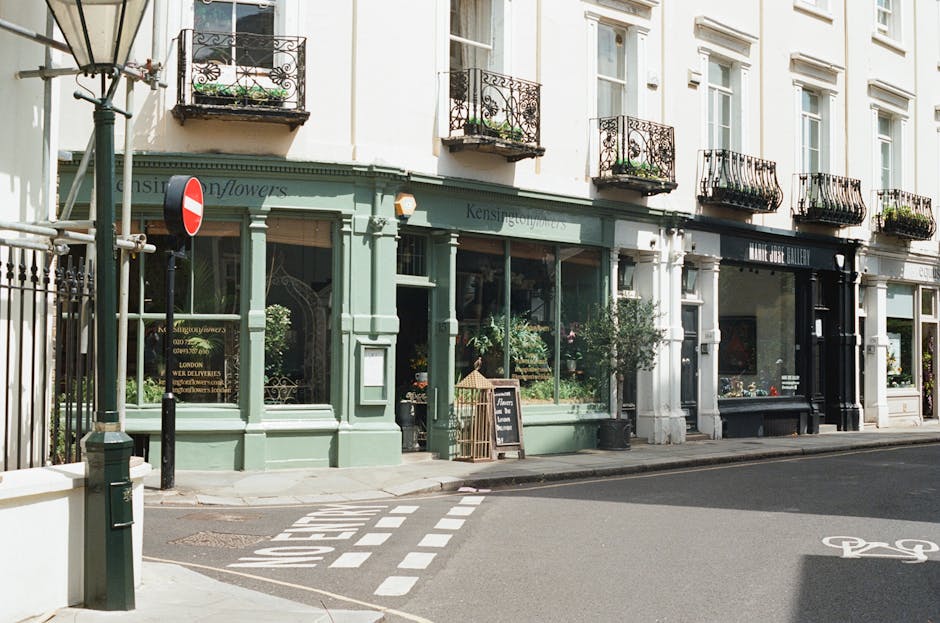
Earl Court, like much of Kensington and the surrounding area, includes residential streets where space is limited and access can be unpredictable. Delivery traffic, local parking pressure, and shared entrances can all create friction. If you ignore those details, the job can take longer than expected and may cost more than necessary. If you plan for them, the whole move feels more controlled.
For many people, the biggest issue is not the volume of items. It is access. That means the best removals plan is one that starts outside the building, not inside it. Where can the van stop? Is there enough room for carrying furniture without blocking the street? Are there awkward bends or steps? Can neighbours still pass through safely? Those questions matter more than most people realise.
Key takeaway: on narrow access streets, a successful flat removal is usually won before the first box is lifted.
How Earl Court flat removals advice for narrow access streets Works
The process starts with an assessment of access. A good removals plan looks at the route from flat to vehicle and from vehicle to new property. That sounds obvious, but this is where many moves get stuck. A mover needs to know whether a van can stop close enough, whether parking is possible at the right time, and whether bulky items will need carrying farther than expected.
For flat removals, the team will usually think through several stages:
- Checking whether the street can take a van safely and legally
- Estimating walking distance from the property to the vehicle
- Reviewing stairs, lifts, internal doors, and hallway turns
- Identifying fragile, oversized, or awkward items early
- Deciding whether extra crew, a smaller vehicle, or shuttle loading is needed
In practical terms, narrow street moves often use a smaller man and van Kensington setup or a carefully sized removal van Kensington arrangement rather than a large lorry. That is not a downgrade. It is often the smarter choice. Less hassle, less blocking, fewer headaches. Simple as that.
Some moves also benefit from splitting the load. You might send smaller items first, hold back a few awkward pieces, or use short-term storage in Kensington if completion dates or access windows do not line up neatly. Not glamorous, but very practical.
If you are moving from a compact property, a dedicated flat removals Kensington service is usually the best fit because it already accounts for stairwells, communal areas, and space limitations.
Key Benefits and Practical Advantages
Good planning for narrow streets is not just about avoiding problems. It also creates a better overall move. Here is what you gain when the access issue is handled properly.
- Faster loading and unloading: If the vehicle is placed correctly, crew time is used on carrying, not waiting.
- Lower risk of damage: Fewer tight scrapes through doorframes, railings, and corners means fewer accidents.
- Better control on the day: The team knows where to park, which route to use, and how long the carry may take.
- Less stress for neighbours: Blocking a narrow street for too long can be tense; a well-run move reduces the drama.
- More accurate pricing: A clear access picture helps with fairer quotes and fewer surprises later.
There is also a quieter benefit: you feel more confident. That matters. People moving out of a flat are usually juggling keys, deposit checks, utility changes, and packing tape that never seems to behave. Anything that makes one part of the day feel predictable is worth its weight in cardboard.
If you are comparing service types, it can help to look at the wider removal services Kensington options rather than only the vehicle itself. Access planning, packing support, and safety handling often make a bigger difference than people expect.
Who This Is For and When It Makes Sense
This advice is for anyone moving from or into a flat where the street, building layout, or local parking makes access tricky. That includes first-floor flats above shops, mansion blocks with narrow entrances, basement apartments, and older buildings where the staircase seems to have been designed by someone with no furniture in mind.
It also matters if you are:
- Moving during a short time window
- Handling a full flat, not just a few bags
- Taking out heavy items such as wardrobes, bookcases, or white goods
- Moving near busy roads where stopping is limited
- Trying to coordinate with building management or neighbours
Students, renters, owners, and landlords all face different pressures, but the access problem is often the same. For a smaller move, a man with van Kensington option may be enough. For a full household load, a larger team or a more structured plan may be better. If you are unsure, the sensible route is to describe the property honestly rather than assuming the mover will simply work it out on arrival. They can, of course, but why make life harder?
If your move overlaps with a busy handover date or you need speed, a service offering same day removals Kensington can be useful, though availability is naturally tighter. Not every moving day is neat. Sometimes the estate agent calls, the keys are delayed, and everyone is holding a phone in one hand and a box in the other. Happens more often than you would think.
Step-by-Step Guidance
Here is a practical way to approach a narrow-street flat removal without letting it spiral into a last-minute scramble.
- Measure the obvious problem areas. Check hallway width, stair turns, front door clearance, lift size, and any tight corners. Measure the sofa, bed frame, dining table, and other bulky items too.
- Study the street outside. Look at parking restrictions, loading space, one-way systems, and whether a van can realistically stop near the entrance.
- Tell the removals team the truth. Mention if the access is awkward, if there are stairs, if there is no lift, or if the street is often congested. No glossing over it.
- Sort items by difficulty. Put the heaviest or most awkward items aside early so they can be handled with the right equipment and timing.
- Use better packing discipline. Keep boxes fully sealed, clearly labelled, and not overfilled. A box that bursts on a staircase is nobody's idea of fun.
- Plan for a carrying route. Move shoes, bikes, bins, and loose clutter out of the way. It only takes one small obstruction to slow everything down.
- Confirm arrival timing. Narrow streets are easiest to manage when the team knows exactly when they can start loading and whether access must be brief.
- Prepare for plan B. If the van cannot stop directly outside, be ready to use a short carry or shuttle arrangement from a safer stopping point.
If you are not sure how much support you need, a service overview can help you compare options. See the services overview for a fuller picture of what is typically available for homes, flats, and more complex moves.
A small practical note: on moving day, keep a charger, ID, documents, medication, and a bottle of water with you. They are the things people forget most, usually right when the kettle has already been packed.
Expert Tips for Better Results
The following tips are the ones that tend to make the biggest difference on narrow streets. None are flashy. All are useful.
- Choose the right vehicle size. Bigger is not always better. A smaller van may access the street more easily and reduce waiting time.
- Keep fragile and awkward items separate. Mirrors, lamps, glass tables, and artwork should not be left until the final pile.
- Use labelled priority boxes. Put essentials, documents, and first-night items together so they are easy to find at the new place.
- Protect communal areas. Stair rails, walls, and entrance doors are common contact points, especially in older buildings.
- Build in a time buffer. On a narrow street, the unexpected is normal. A parked car, a delayed lift, or a delivery van can throw off the rhythm.
One thing people often miss is the emotional side of the move. Narrow-access removals can feel rushed and slightly claustrophobic. The corridor is tight, the street is busy, and everybody is half watching the clock. So keep the atmosphere as calm as you can. Clear instructions. Few interruptions. No panic. Easier said than done, yes, but worth aiming for.
If you have speciality items such as a piano, it is wise to speak to a dedicated piano removals Kensington service rather than treating it like an ordinary heavy object. The shape, weight distribution, and handling requirements are different enough to justify extra care.

Common Mistakes to Avoid
Narrow streets are very forgiving right up until they are not. These mistakes are the ones that most often cause the trouble.
- Assuming a van can park outside. It might not be possible, and pretending otherwise only increases pressure on the day.
- Underestimating stair difficulty. A few steps can be manageable; repeated tight turns with a wardrobe is another matter entirely.
- Packing heavy boxes too full. This makes the carry slower and more tiring, especially if the access route is long.
- Forgetting building rules or concierge arrangements. Some flats have preferred access times or rules for loading bays.
- Leaving everything to the final hour. Late packing is stressful anywhere, but on a narrow street it becomes a real bottleneck.
One slightly embarrassing but common mistake is forgetting to tell the removals team about a basement entrance until they are already on site. That is the sort of detail that should be said early, not discovered while someone is trying to pivot a sofa by six inches. A bit awkward, to be fair.
Another issue is ignoring transport and parking friction in the local area. If you are moving in a part of Kensington where street activity is heavy, it may be worth reading about local Kensington living conditions and how everyday access can affect moving plans. It is not a removals article exactly, but it helps set expectations.
Tools, Resources and Recommendations
You do not need a pile of specialist kit for every flat move, but the right tools make narrow access jobs easier and safer.
| Item | Why it helps | Best used for |
|---|---|---|
| Furniture blankets | Reduce scratches and scuffs | Tables, wardrobes, TV units |
| Straps and trolleys | Make heavy items easier to control | Appliances, boxes, bulky items |
| Door protectors | Help prevent damage in tight passages | Communal entrances, internal doors |
| Strong tape and labels | Keep boxes closed and organised | All packing stages |
| Smaller loading plan | Lets the move adapt to limited access | Narrow roads, short stops, restricted parking |
For packing support, a dedicated packing and boxes Kensington page is a useful next step if you want your cartons to survive the stairs in one piece. Good packing is not glamorous, but it saves the day more often than fancy gear does.
When comparing help, you may also want to look at a reliable removal companies Kensington option if you want more structured support, or a lighter man with a van Kensington service if the move is compact and access is reasonably manageable.
If you are trying to understand budget, timing, and what affects a quote, the pricing and quotes page is a sensible place to start. Narrow access often affects labour time and vehicle choice more than people expect.
Law, Compliance, Standards, or Best Practice
For flat removals in a narrow street, the main compliance issue is usually practical rather than dramatic. In other words, it is about doing things properly, safely, and with respect for local conditions. That includes parking law, safe lifting, and avoiding obstruction where possible.
It is sensible to work within any local parking or loading restrictions and to avoid unsafe unloading into traffic. A mover should also think about manual handling in a realistic way. Heavy lifting, stair carries, and awkward angles are exactly where injuries happen if people rush. The point is not to sound over-cautious; it is just common sense.
There are also general best-practice expectations around property care. That means using protection for floors, doors, and walls where needed, keeping walkways clear, and handling items in a way that reduces risk to both people and property. If a company takes health and safety seriously, that usually shows in the small details. The tape on the corners. The pause before moving something oversized. The way the team talks through the route before they start.
To get a clearer sense of working standards, you can review the company's insurance and safety information and its health and safety policy. Those pages matter more than people think, especially where tight access increases the chance of knocks or delays.
If sustainability is part of your decision-making, it is also worth looking at recycling and sustainability. Narrow moves often expose how much unwanted stuff has accumulated. A move is a good moment to reduce waste rather than carry clutter to a new address.
Options, Methods, or Comparison Table
There is no single best way to manage a flat move on a narrow street. The right choice depends on the property, the load, and how restrictive the access really is. Here is a straightforward comparison.
| Method | Best for | Pros | Trade-offs |
|---|---|---|---|
| Small van with short carry | Compact flats and tight roads | Easier parking, faster positioning | May need more trips if the load is large |
| Full removal van | Medium to larger flat moves | More efficient for bigger loads | Can struggle on very narrow streets |
| Man and van service | Light to moderate moves | Flexible and often practical for short notice | May be limited for larger furniture-heavy moves |
| Storage split move | Broken timelines or access delays | Reduces pressure when dates do not align | Adds an extra step and extra planning |
If your move includes mixed furniture and boxed items, a focused furniture removals Kensington approach can be a better fit than a general transport solution. It gives heavier pieces the handling they need without overcomplicating the whole day.
Case Study or Real-World Example
Imagine a two-bedroom flat near Earl Court with a narrow residential street, no driveway, and a shared entrance that opens straight onto the pavement. The street has parked cars on both sides most evenings, and the new tenants are due the same day the current occupants leave. A classic London moving headache, really.
In a case like this, a careful removals plan would usually start with a pre-move conversation about access. The team would ask about the staircase, the largest items, whether the lift works, and when the street is usually quiet enough for loading. They might suggest a smaller vehicle, a start time that avoids peak parking pressure, and a clear priority order for the load.
The practical win here is not just efficiency. It is reducing friction. Instead of trying to force a large van into a street that does not want one, the move is designed around what the road can actually support. Boxes go first, awkward items are protected properly, and the route from the flat to the van is kept clear. The move may still be busy, but it becomes manageable.
That is the real lesson: the best narrow-street move is not the one that looks impressive. It is the one that stays controlled from the first box to the last.
Practical Checklist
Use this simple checklist before moving day. It helps more than a pretty folder of notes, honestly.
- Measure doors, hallways, stairs, and the largest furniture pieces
- Confirm whether the van can park close to the property
- Check parking restrictions and loading times for the street
- Tell the removals team about any basement, top-floor, or lift issues
- Pack fragile items separately and label them clearly
- Keep essentials, documents, and chargers in one easy-to-reach bag
- Protect floors, corners, and doorframes where needed
- Decide whether storage may be useful if timings are uncertain
- Arrange keys, handover times, and access details in advance
- Ask about insurance and what happens if access turns out to be tighter than expected
If you still feel unsure at this point, that is perfectly normal. Narrow-access removals are fiddly. The good news is that they are very manageable once the details are known.
Conclusion
Earl Court flat removals advice for narrow access streets is really about planning for reality rather than hoping for the best. Tight roads, limited parking, and awkward building layouts are all normal in this part of London, and they do not have to turn your move into a mess. With the right vehicle, careful packing, honest communication, and a sensible loading plan, the day becomes much easier to handle.
Choose a removals approach that suits the street, not just the volume of belongings. That one choice alone can save time, reduce stress, and protect your furniture from unnecessary bumps. And if you are moving in Kensington more broadly, you may also find it helpful to explore related guidance such as house removals Kensington, removals Kensington, or advice for people considering the area in the first place through Kensington home purchase advice and what buyers need to know about Kensington real estate.
Get a free quote today and see how much you can save.
When the boxes are finally stacked in the right room and the street is quiet again, it is a good feeling. Simple, but good. That is what a well-planned move should leave you with.
For direct help or to discuss your access concerns, start with the contact page.



 CALL US NOW


